• アイスランド(ISK Kr)
  • アイルランド(EUR €)
  • アゼルバイジャン(AZN ман)
  • アセンション島(SHP £)
  • アフガニスタン(AFN Af)
  • アメリカ合衆国(USD $)
  • アメリカ領サモア(USD $)
  • アラブ首長国連邦(AED د.إ)
  • アルジェリア(DZD د.ج)
  • アルゼンチン(USD $)
  • アルバ(AWG ƒ)
  • アルバニア(ALL L)
  • アルメニア(AMD Դ)
  • アンギラ(XCD $)
  • アンゴラ(USD $)
  • アンティグア・バーブーダ(XCD $)
  • アンドラ(EUR €)
  • イエメン(YER ﷼)
  • イギリス(GBP £)
  • イギリス領インド洋地域(USD $)
  • イスラエル(ILS ₪)
  • イタリア(EUR €)
  • イラク(USD $)
  • インド(INR ₹)
  • インドネシア(IDR Rp)
  • ヴァージン諸島(USD $)
  • ウォリス・フツナ(XPF ₣)
  • ウガンダ(UGX Sh)
  • ウクライナ(UAH ₴)
  • ウズベキスタン(UZS лв)
  • ウルグアイ(UYU $)
  • エクアドル(USD $)
  • エジプト(EGP E£)
  • エストニア(EUR €)
  • エスワティニ(USD $)
  • エチオピア(ETB Br)
  • エリトリア(ERN Nfk)
  • エルサルバドル(USD $)
  • オーストラリア(AUD AU$)
  • オーストリア(EUR €)
  • オーランド諸島(EUR €)
  • オマーン(OMR ر.ع.)
  • オランダ(EUR €)
  • オランダ領アンティル(USD $)
  • カーボベルデ(CVE $)
  • ガイアナ(GYD $)
  • カザフスタン(KZT 〒)
  • カタール(QAR ر.ق)
  • カナダ(CAD $)
  • ガボン(XOF Fr)
  • カメルーン(XAF ₣)
  • ガンビア(GMD D)
  • カンボジア(KHR ៛)
  • ガーナ(GHS ₵)
  • ガーンジー(GBP £)
  • ギニア(GNF ₣)
  • ギニアビサウ(XOF Fr)
  • キプロス(EUR €)
  • ギリシャ(EUR €)
  • キリバス(AUD AU$)
  • キルギスタン(KGS С̲)
  • グアテマラ(GTQ Q)
  • グアドループ(EUR €)
  • グアム(USD $)
  • クウェート(KWD دينار)
  • クック諸島(NZD $)
  • グリーンランド(DKK kr)
  • クリスマス島(AUD AU$)
  • グレナダ(XCD $)
  • クロアチア(EUR €)
  • ケイマン諸島(KYD $)
  • ケニア(KES Sh)
  • コートジボワール(XOF Fr)
  • ココス(キーリング)諸島(AUD AU$)
  • コスタリカ(CRC ₡)
  • コモロ(KMF Fr)
  • コロンビア(USD $)
  • コンゴ - キンシャサ(CDF ₣)
  • コンゴ - ブラザビル(XAF ₣)
  • サウジアラビア(SAR ر.س)
  • サウスジョージア・サウスサンドウィッチ諸島(GBP £)
  • サモア(WST T)
  • サントメ・プリンシペ(USD $)
  • ザンビア(USD $)
  • サンピエール島・ミクロン島(EUR €)
  • サンマリノ(EUR €)
  • シエラレオネ(SLL Le)
  • ジブチ(DJF ₣)
  • ジブラルタル(GBP £)
  • ジャージー(GBP £)
  • ジャマイカ(JMD $)
  • ジョージア(USD $)
  • シンガポール(SGD S$)
  • ジンバブエ(USD $)
  • スイス(CHF ₣)
  • スヴァールバル諸島・ヤンマイエン島(USD $)
  • スウェーデン(SEK kr)
  • スーダン(SDG ج.س.)
  • スペイン(EUR €)
  • スリナム(USD $)
  • スリランカ(LKR Rs)
  • スロバキア(EUR €)
  • スロベニア(EUR €)
  • セーシェル(USD $)
  • セネガル(XOF Fr)
  • セルビア(RSD din)
  • セントクリストファー・ネービス(XCD $)
  • セントビンセントおよびグレナディーン諸島(XCD $)
  • セントヘレナ(SHP £)
  • セントマーチン(EUR €)
  • セントルシア(XCD $)
  • ソマリア(SOS Sh)
  • ソロモン諸島(SBD Si$)
  • タークス・カイコス諸島(USD $)
  • タイ(THB ฿)
  • タジキスタン(TJS ЅМ)
  • タンザニア(TZS Sh)
  • チェキア(CZK Kč)
  • チャド(XAF ₣)
  • チュニジア(USD $)
  • チリ(USD $)
  • ツバル(AUD AU$)
  • デンマーク(DKK kr)
  • ドイツ(EUR €)
  • トーゴ(XOF Fr)
  • トケラウ(NZD $)
  • ドミニカ(XCD $)
  • ドミニカ共和国(DOP $)
  • トリスタンダクーニャ(GBP £)
  • トリニダード・トバゴ(TTD TTD)
  • トルクメニスタン(TMT m)
  • トルコ(USD $)
  • トンガ(TOP T$)
  • ナイジェリア(NGN ₦)
  • ナウル(AUD AU$)
  • ナミビア(USD $)
  • ニウエ(NZD $)
  • ニカラグア(NIO C$)
  • ニジェール(XOF Fr)
  • ニューカレドニア(XPF ₣)
  • ニュージーランド(NZD $)
  • ネパール(NPR ₨)
  • ノーフォーク島(AUD AU$)
  • ノルウェー(USD $)
  • ハード島・マクドナルド諸島(AUD AU$)
  • ハイチ(USD $)
  • パキスタン(PKR ₨)
  • バチカン市国(EUR €)
  • パナマ(USD $)
  • バヌアツ(VUV Vt)
  • バハマ(BSD BSD)
  • パプアニューギニア(PGK K)
  • バミューダ(BMD BD$)
  • パラオ(USD $)
  • パラグアイ(PYG ₲)
  • バルバドス(BBD BBD)
  • パレスチナ自治区(ILS ₪)
  • ハンガリー(HUF Ft)
  • バングラデシュ(BDT ৳)
  • バーレーン(BHD .د.ب)
  • ピトケアン諸島(NZD $)
  • フィジー(FJD FJ$)
  • フィリピン(PHP ₱)
  • フィンランド(EUR €)
  • プエルトリコ(USD $)
  • フェロー諸島(DKK kr)
  • フォークランド諸島(FKP FKP)
  • ブラジル(USD $)
  • フランス(EUR €)
  • フランス領ギアナ(EUR €)
  • フランス領ポリネシア(XPF ₣)
  • フランス領南方・南極地域(EUR €)
  • ブルガリア(BGN лв)
  • ブルキナファソ(XOF Fr)
  • ブルネイ(BND B$)
  • ブルンジ(BIF ₣)
  • ブータン(BTN Nu.)
  • ブーベ島(USD $)
  • ベトナム(VND ₫)
  • ベナン(XOF Fr)
  • ベネズエラ(USD $)
  • ベラルーシ(USD $)
  • ベリーズ(BZD Be)
  • ペルー(PEN S/)
  • ベルギー(EUR €)
  • ボスニア・ヘルツェゴビナ(BAM КМ)
  • ボツワナ(BWP P)
  • ボリビア(BOB Bs.)
  • ポルトガル(EUR €)
  • ホンジュラス(HNL L)
  • ポーランド(PLN zł)
  • マーシャル諸島(USD $)
  • マカオ特別行政区(MOP P)
  • マダガスカル(USD $)
  • マヨット(EUR €)
  • マラウイ(MWK MK)
  • マリ(XOF Fr)
  • マルタ(EUR €)
  • マルティニーク(EUR €)
  • マレーシア(MYR RM)
  • マン島(GBP £)
  • ミクロネシア(USD $)
  • ミャンマー(ビルマ)(MMK K)
  • メキシコ(USD $)
  • モーリシャス(MUR ₨)
  • モーリタニア(USD $)
  • モザンビーク(USD $)
  • モナコ(EUR €)
  • モルディブ(MVR ރ.)
  • モルドバ(MDL L)
  • モロッコ(MAD د.م.)
  • モンゴル(MNT ₮)
  • モンテネグロ(EUR €)
  • モントセラト(XCD $)
  • ヨルダン(USD $)
  • ラオス(LAK ₭)
  • ラトビア(EUR €)
  • リトアニア(EUR €)
  • リビア(USD $)
  • リヒテンシュタイン(CHF ₣)
  • リベリア(USD $)
  • ルーマニア(RON L)
  • ルクセンブルク(EUR €)
  • ルワンダ(RWF ₣)
  • レソト(USD $)
  • レバノン(LBP ل.ل)
  • レユニオン島(EUR €)
  • ロシア(RUB р.)
  • 英領バージン諸島(USD $)
  • 韓国(KRW ₩)
  • 香港特別行政区(HKD HK$)
  • 西サハラ(MAD د.م.)
  • 赤道ギニア(XAF ₣)
  • 台湾(TWD NT$)
  • 中央アフリカ共和国(XAF ₣)
  • 中国(CNY ¥)
  • 東ティモール(USD $)
  • 南アフリカ(USD $)
  • 南極大陸(USD $)
  • 日本(JPY ¥)
  • 米領有小離島(USD $)
  • 北マケドニア(MKD ден)
  • 北マリアナ諸島(USD $)
/ /

What is a gobo source and how is it used in lighting?

Dec 15,2024
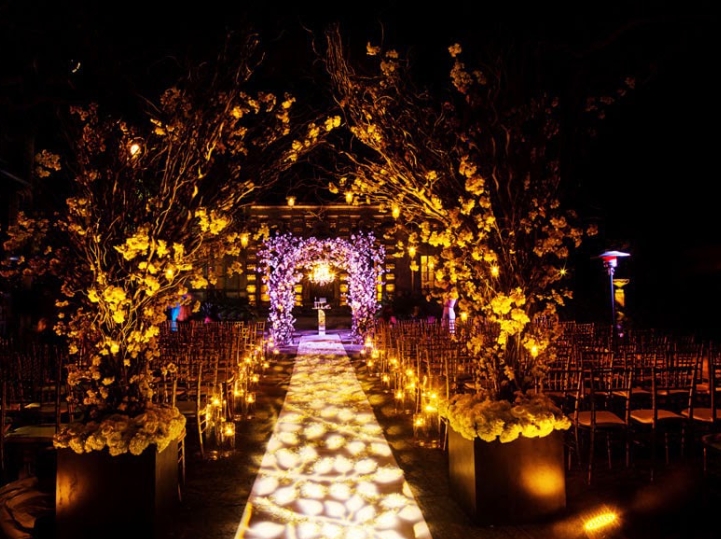
Lighting is an essential aspect of creating captivating atmospheres in various spaces. One often overlooked element of lighting design is the gobo source. In this blog post, we will explore the origins of gobo sources, their role in lighting design, and how they can be effectively incorporated into different lighting setups.

The Origins of Gobo Sources

Gobos have a fascinating history. Initially developed in the early 20th century, gobos were used predominantly in theater productions to create different lighting effects. However, their popularity quickly spread beyond the theater world, and they became an integral part of lighting design for events, architectural spaces, and even home decor.

Creating high-quality gobos requires expert craftsmanship and precision. This is where gobofactories come into play. These specialized facilities employ skilled technicians who design and manufacture gobos using advanced techniques. Gobofactories play a crucial role in ensuring that gobo sources meet the industry standards and artistic requirements.

Understanding Gobos

Gobos, short for "go-between optics," are typically made from metal or glass and are used to project patterns, images, or shapes onto a surface when placed in front of a light source. They act as a stencil, blocking or modifying the light to create stunning visual effects.

There are various types of gobos available, including standard gobos with popular patterns like stars, abstract designs, and textures. Additionally, custom gobos can be made by engraving specific images or logos onto the surface. This versatility allows lighting designers to personalize and elevate their designs.

Using Gobos in Different Lighting Setups

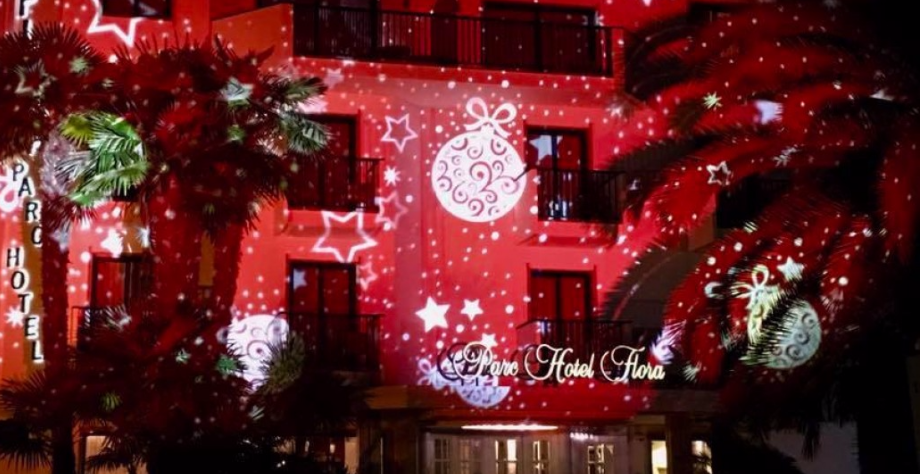
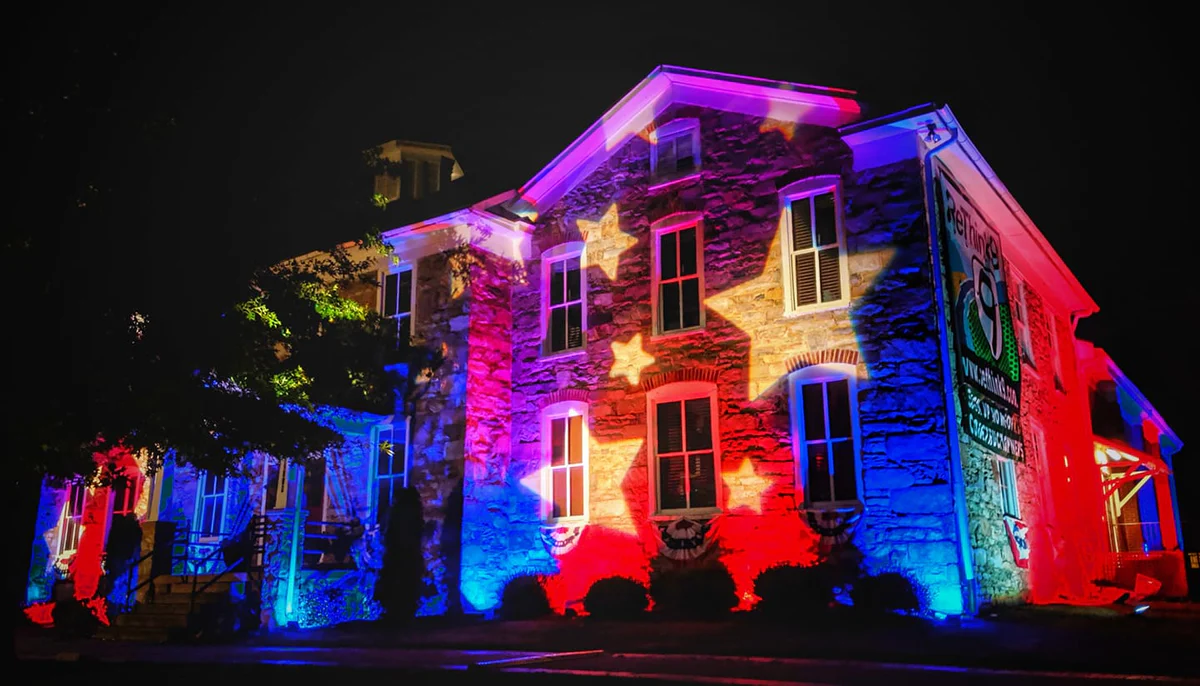
Gobos can be utilized in a wide range of lighting fixtures, such as spotlights, projectors, and even string lights. They can be used to add depth, drama, and atmosphere to any space. Here are a few examples of how gobos can be incorporated:


  • Highlighting architectural details: By projecting patterns or textures onto walls, ceilings, or other architectural elements, gobos can enhance the visual appeal of a structure.


  • Creating themed environments: Whether it's a wedding, corporate event, or theatrical production, gobos can be used to project themed images or branding elements onto surfaces, immersing guests in a specific atmosphere.


  • Setting the mood: Gobos can be employed to create various lighting effects, such as dappled light through tree branches, rippling water patterns, or the illusion of flickering flames.


Benefits of Using Gobos in Lighting

Using gobos in lighting design provides numerous benefits:


  • Flexibility and versatility: Gobos allow for easy customization, enabling designers to adapt and modify lighting designs based on the specific requirements of different events or spaces.


  • Enhanced ambiance: Gobos can transform ordinary spaces into extraordinary ones by adding layers of texture, color, and shapes.


  • Branding and personalization: By incorporating custom gobos, businesses can project their logos, slogans, or other branding elements, reinforcing their identity and creating a memorable experience for clients or event attendees.


Tips for Using Gobos Effectively

While incorporating gobos into lighting design can be highly rewarding, there are a few considerations to keep in mind for optimal results:


  • Choosing the right gobo: Carefully select gobos that align with the desired mood, theme, or branding. Experiment with different patterns, sizes, and materials to achieve the desired effect.


  • Positioning and focus: Pay attention to the placement and focus of the gobo source to ensure the desired image or pattern is projected accurately.


  • Test and refine: Conduct thorough tests and rehearsals to fine-tune the lighting design and make necessary adjustments to achieve the desired outcome.


Conclusion

Gobo sources play a crucial role in lighting design, allowing for the creation of captivating visual effects and enhancing the overall ambiance of any space. With their diverse applications and versatility, gobos are a valuable tool in the repertoire of lighting designers. By understanding the origins, types, and effective usage of gobos, designers can elevate their lighting designs to new heights and create unforgettable experiences.


コメントを投稿
名前
メールアドレス
コメント